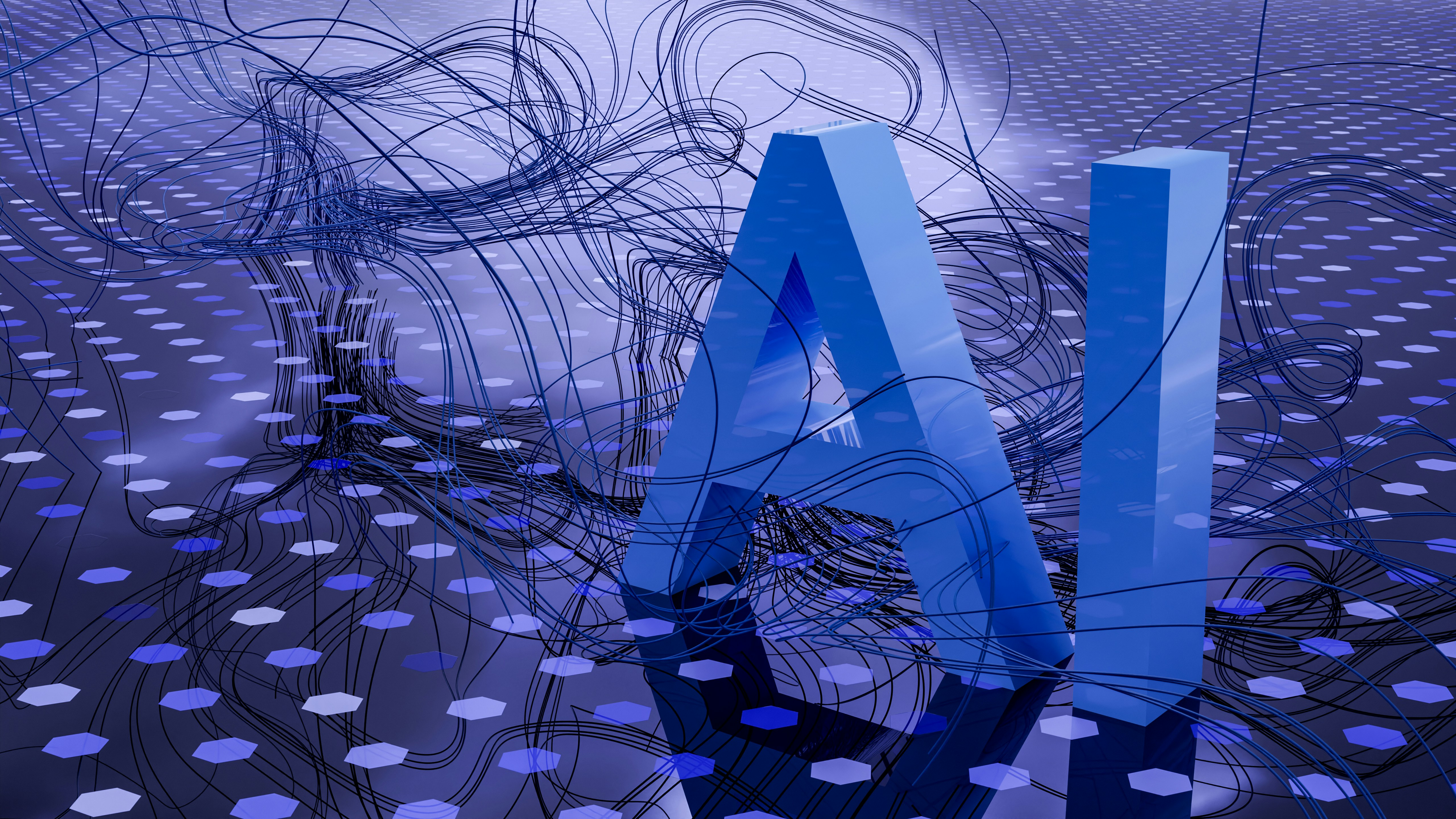
AI
AI Productivity Paradox: Why AI Sometimes Makes Work Slower
A Mumbai startup founder recently highlighted the “AI productivity paradox” — where tasks that once took 30 minutes can now take hours with AI. Here's why AI sometimes slows work instead of speeding it up.
On this page
Introduction
Artificial Intelligence tools like ChatGPT, GitHub Copilot, and Claude are transforming the way people work. From writing code to generating content, AI promises faster productivity and automation.
However, a surprising observation from a Mumbai startup founder recently sparked debate online — sometimes AI actually makes work slower instead of faster.
This phenomenon is now being called the AI Productivity Paradox.
What is the AI Productivity Paradox?
The term describes a situation where artificial intelligence tools sometimes increase the time required to complete tasks rather than reducing it.
A founder from Mumbai recently shared an interesting experience:
Tasks that previously took 30 minutes manually were taking up to 2 hours with AI tools.
At the same time, some tasks that normally took 2 hours could now be completed in just 30 minutes with AI.
This paradox highlights that AI productivity depends heavily on how the technology is used and the type of task being performed.
Why AI Sometimes Slows Down Work
1. Writing Prompts Takes Time
AI tools require clear instructions or prompts.
If the prompt is not detailed enough, the AI may generate incorrect or irrelevant output, forcing users to rewrite prompts multiple times.
2. Reviewing AI Output
Even when AI produces results quickly, the output must be checked for accuracy.
Developers, writers, and analysts often spend time:
- correcting mistakes
- verifying information
- rewriting sections
This extra review process can increase the total time spent on a task.
3. AI Works Best for Structured Tasks
Artificial Intelligence performs best when tasks are clearly defined.
For example:
- summarizing documents
- generating code snippets
- answering direct questions
But when tasks are complex or creative, AI responses may require multiple revisions.
Examples From Developers
Many developers report similar experiences.
Tools like GitHub Copilot can generate code quickly, but programmers still need to:
- review the generated code
- debug errors
- ensure security and efficiency
Sometimes writing the code manually can actually be faster.
When AI Truly Saves Time
Despite the paradox, AI remains extremely powerful when used correctly.
AI can dramatically speed up tasks such as:
- drafting blog posts
- summarizing long documents
- generating boilerplate code
- analyzing large datasets
- automating repetitive tasks
When used strategically, AI can boost productivity significantly.
The Future of AI Productivity
Experts believe the productivity paradox will reduce as people become better at prompt engineering and AI workflows.
Learning how to properly guide AI tools will become an essential skill in the future workplace.
Companies and professionals who understand how to collaborate with AI effectively will gain a major advantage.
Conclusion
Artificial Intelligence is transforming industries, but it is not a magic solution that instantly speeds up every task.
The AI Productivity Paradox shows that while AI can dramatically accelerate some workflows, it can also introduce new challenges such as prompt writing, verification, and editing.
Understanding when and how to use AI tools effectively will be the key to maximizing productivity in the future.
Explore Tech Career Opportunities
Interested in building a career in technology?
Browse the latest verified job openings and internships on JobAdvice and start your journey in the tech industry today.
Article information
By: Hassan usmani
Published: Mar 10, 2026
Updated: Mar 13, 2026
We verify job and career information against official source pages where available. How we verify information